01 / Thermal escape
European thermal baths
Warm water, a different pace, and absolutely no need to be an expert. Here’s how to make your first visit feel easy.
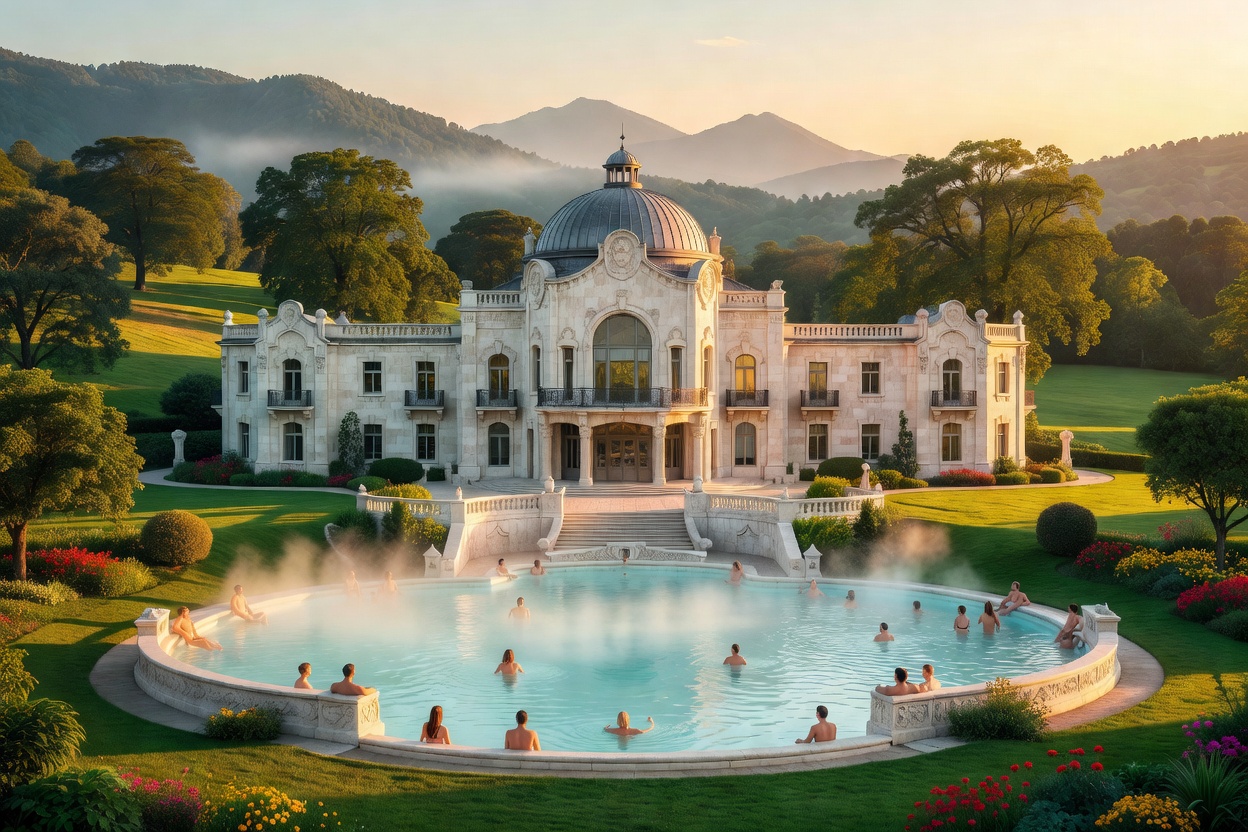
Illustrative photography; not a photograph of a named bath.
Start with the water
Thermal baths use naturally warm groundwater, though facilities may cool, heat or treat it before it reaches a pool. Minerals such as calcium, magnesium and dissolved salts vary with local geology. “Thermal” describes the water’s origin and warmth. It doesn’t guarantee a particular health benefit.
Europe’s bathing culture has Roman, Ottoman and local roots. Some baths are social gathering places; others feel almost library-quiet. Neither is more authentic. Choose the atmosphere you’ll actually enjoy.
Find your European bathing style
Central Europe: Budapest combines grand bathing halls with outdoor pools. Baden-Baden pairs a historic bathing tradition with contemporary facilities. Czech spa towns such as Karlovy Vary also have drinking-cure traditions; don’t assume every spring is a swimming destination or drink spring water without local guidance.
The Alps: Austrian and Swiss thermal centers often frame outdoor pools with mountains. Leukerbad is a useful place to research. These experiences can be wonderfully scenic, but accommodation, food and admission usually cost more.
Eastern and southeastern Europe: Romanian and Bulgarian thermal towns include municipal pools, medical-spa hotels and newer leisure complexes. Hévíz in Hungary offers a distinctive thermal-lake tradition. Check whether a venue welcomes casual visitors: some programs require medical assessment or advance arrangements.
Three ways to take the waters
| Format | Best for | Typical cost | Trade-off |
|---|---|---|---|
| Historic thermal baths | Architecture and local bathing culture | €15–€45 admission | Older layouts; accessibility varies |
| Modern thermal complexes | Several pools and clear visitor facilities | €25–€65 admission | Sauna zones and peak hours may cost extra |
| Hotel thermal facilities | Easy access from your room | €140–€350+ per room/night | Pool access may be restricted or separately charged |
Premium sites can exceed these ranges. Compare the same time allowance, locker type and included zones. Currency conversion, weekends and holidays change the total.
What a visit actually looks like
You’ll usually check in, receive a locker key or wristband, change and shower. Read the pool signs before entering. Many leisure pools sit around 32–38°C, but individual pools differ substantially. Start with a comfortable, milder pool rather than the hottest one.
Indoor pools offer reliable shelter and sometimes beautiful historic interiors. They can also be echoey. Outdoor pools bring fresh air and changing light, but paths may be cold or slippery. Follow staff instructions during storms or icy weather.
A hot-and-cold circuit means alternating warmth, cooling and rest. It’s optional, not an endurance test. A cool shower can replace a plunge. Leave heat immediately if you feel dizzy, nauseated or uncomfortable.
For a first visit, a two-to-four-hour pass is often enough. A full day works if you want lunch and long rests. Check whether leaving the building ends your admission and whether overstaying your slot adds a fee.
Season, etiquette and your bag
Autumn and winter make outdoor bathing especially atmospheric. School holidays and winter weekends can be busy. Spring weekdays often offer a gentler balance. In summer, look for shaded resting areas rather than assuming warm water will feel refreshing at midday.
- Bring swimwear, pool sandals, a towel, a water bottle and a bag for wet items.
- Check swim-cap requirements, towel rental and whether changing cabins cost extra.
- Shower before bathing. Keep phones and photography out of changing rooms and restricted areas.
- Confirm textile rules: a swimsuit pool may sit beside a swimsuit-free sauna zone.
- Ask about step-free access, hoists, age limits and quiet sessions before paying.
Good to know
The lovely bits—and the limits
Thermal baths offer an accessible way to enjoy local culture without booking a resort. The downsides are crowds, complicated ticket tiers and the fact that warm pools aren’t always peaceful.
If you’re pregnant, have a heart or blood-pressure condition, take medication affecting heat tolerance, or feel unwell, get individualized clinical advice before bathing or using heat. Avoid alcohol, drink water and respect posted time limits. More heat isn’t more wellness.