02 / Wellness retreat
Spa retreats, at your pace.
A good spa stay gives you fewer decisions to make. The trick is choosing a package that leaves room for the kind of rest you want.
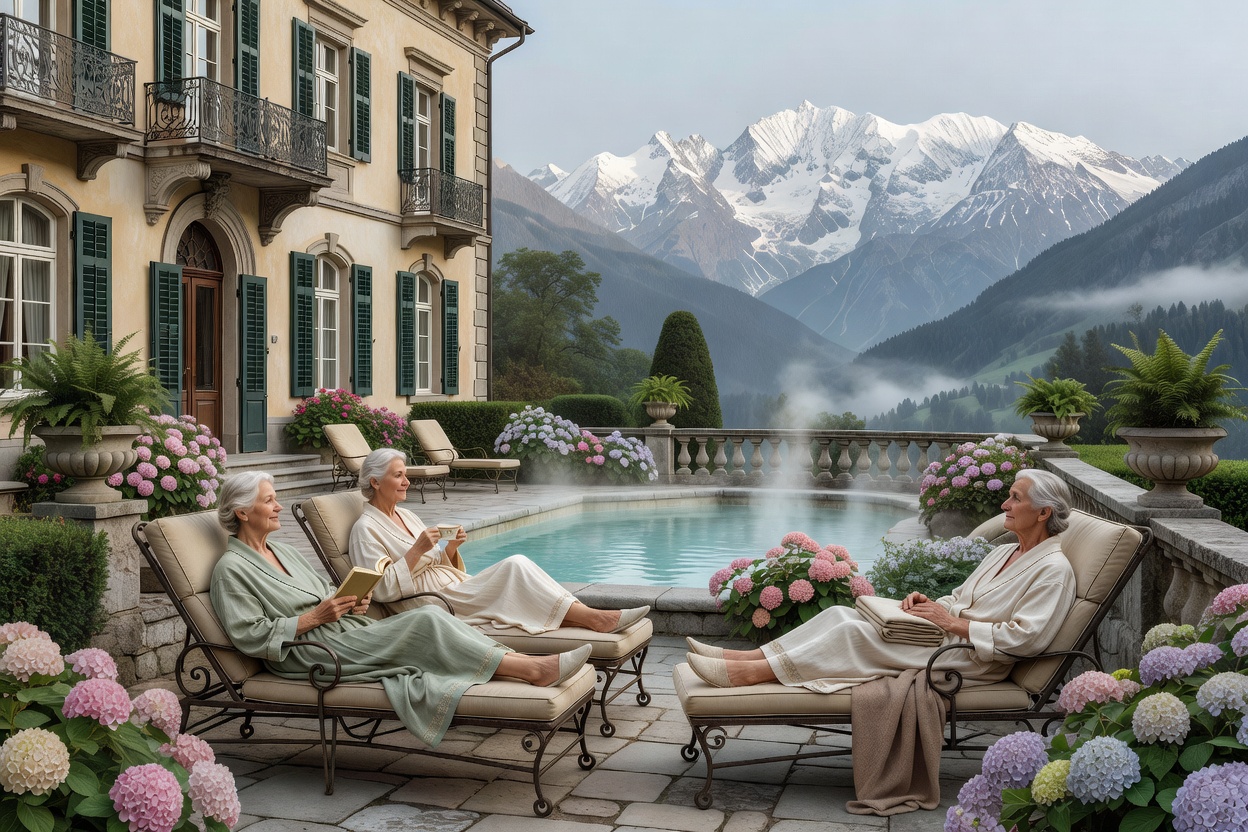
Illustrative photography; check each hotel’s own gallery.
First, choose the format
A weekend spa stay usually combines a room, facility access and perhaps one treatment. It’s an approachable first step because you can keep most of your time unplanned. Two nights work well when travel is short; three help if arrival consumes an afternoon.
A destination spa hotel makes wellness the main reason to visit. Think several bathing areas, dedicated relaxation rooms and a broader treatment menu. Alpine hotels around South Tyrol or Austria often combine this with walking. Coastal Portuguese and Spanish properties may put equal emphasis on pools and outdoor downtime.
Treatment-focused retreats follow a schedule, sometimes with consultations and daily appointments. Relaxation-focused retreats are looser, with optional movement classes and plenty of free time. Medical-spa programs are different again: check clinical credentials, suitability and what supervision actually means.
Packages: read past the lovely name
“Two-night reset” can mean very different things. Look for an itemized list covering room type, meals, facility hours, treatment duration and taxes. A 50-minute appointment may include consultation and changing time, rather than 50 minutes of hands-on treatment.
Common packages include a massage, a facial or a body treatment such as a scrub. Ask whether you can substitute anything you don’t want. Botanical oils and scented products aren’t automatically suitable for sensitive skin; disclose allergies and ask about fragrance-free alternatives.
Breakfast-only gives you flexibility. Half-board normally means breakfast and one other main meal, usually dinner; confirm the details. Full-board generally adds lunch, but drinks, specialist menus and snacks may still be extra.
A comfortable mid-range spa hotel might cost €150–€300 per room per night. Two-night packages often run €300–€700 per person sharing. Premium destination retreats can exceed €350–€700 per person per day. These are broad euro planning estimates, excluding travel unless stated.
Rooms, company and quiet
For couples, check whether treatments happen together or simply at similar times. A shared treatment room may carry an extra charge. You can also choose different treatments and meet afterward. Compatibility doesn’t require matching massages.
For solo stays, compare a single-occupancy quote rather than halving the advertised couples’ price. Ask about communal dining if you’d welcome conversation, or easy room service if you wouldn’t. Neither choice needs explaining.
Room location matters more than a glamorous category name. Check for road noise, event spaces, air-conditioning and the walking distance to the spa. Confirm whether robes, slippers and pool access are included, including on arrival and departure days.
A sample two-night wellness itinerary
- Friday / Arrive and settleCheck in without a tightly timed appointment. Have a light meal, explore the facilities and take a brief, comfortable swim. An early night is a perfectly respectable activity.
- Saturday / One anchor, plenty of spaceEnjoy breakfast and a gentle walk. Book one late-morning treatment, then lunch and an open afternoon. Try a sauna only if you feel well and it suits your health; ask your therapist about timing around treatments.
- Sunday / Keep the landing softHave breakfast slowly. Choose a short swim or another walk, then leave enough time to change and travel. Confirm checkout and spa-access limits before planning that final dip.
Book the calm, not just the room
Popular therapists and couples’ slots can sell out before bedrooms do. Reserve your must-have treatment when booking, and ask about treatment cancellation rules separately from the room policy. Check deposits, minimum stays and whether unused inclusions are refundable.
Shoulder-season weekdays can be quieter and better value. Alpine ski holidays, summer coastal peaks and festive weekends tend to cost more. Out of season, verify that restaurants, outdoor pools and transfers still operate.
Pack swimwear, comfortable layers, walking shoes, reading material and your usual skin products. Bring medication in its original packaging and any relevant treatment information, but avoid sending detailed health records by ordinary email.
Good to know
Structure can help. Too much can tire you out.
A retreat’s advantage is convenience: sleep, food and rest are close together. Its disadvantages can be rigid schedules, single supplements and costly extras. Be wary of dramatic detox or guaranteed recovery claims. A pleasant stay is worthwhile without promising to transform your biology.